
Fence rules, straight from the code that sets them
Height, permits, corner visibility and pool barriers, reported from the statute or the ordinance itself. Every line names its section and links the document it came from.
- 1State in the record
- 6Findings published
- 4Documents checked
- 10Topics tracked
Method
A finding starts at the highest document that answers the question. The statute on the legislature's own site first, then the municipal code on its official host, then an official agency document. A contractor blog is never a source.
Fences not over 7 feet (2134 mm) high.
Quoted exactly, at the length it appears, with nothing added.
A regulation is not a number. Some codes state a figure. Some make it depend on lot width. Some say two different things in two sections. Some never mention it at all.
Every claim names its document
Authority, document title, section number, a link to the text, and the date it was read. A finding without all five does not go on the page.
A status, not just an answer
Six of them, covering the plain cases and the awkward ones: a rule that depends on something else, a code that contradicts itself, and a code that says nothing.
A page has to earn its URL
A jurisdiction publishes once 4 of its core topics have an answer and at least 2 findings are specific to that place. Below that it stays a row on the state page.
The six statuses
Every finding carries one. It records what the document does, which is not always the same as giving an answer.
Stated
The code gives a plain answer, and the line it appears on is quoted.
5 on this pageConditional
The answer moves with something else, such as lot width or how open the fence is. Every branch is listed.
None recorded yetConflicting
The code says two different things about the same question. Both are quoted and neither one is picked.
None recorded yetSilent
The documents were read and none of them cover it. The list of what was read is printed with the finding.
1 on this pageDelegated
The code hands the question to a department standard that is not printed in the code.
None recorded yetSuperseded
A local rule replaces a higher level default, and both are shown.
None recorded yet
Findings in full
6 findings, which is the whole record so far. Each one quotes the document it came from.
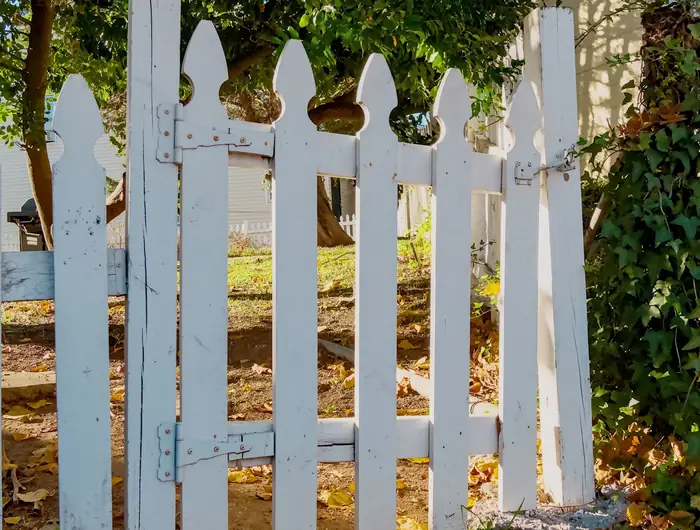 01, the document behind this findingSilent
Fence height
California · Civ. Code 841California sets no statewide limit on residential fence height.
Read in full, and silent on itNone statedacross 2 documents read in full- Statute
- 2 documents
- Read 13 September 2026
 01, the document behind this findingStated
Fences on the property line
California · Civ. Code 841Adjoining landowners are presumed to share an equal benefit from a fence dividing their properties, and are presumed equally responsible for the reasonable costs of construction.
Adjoining landowners are presumed to share an equal benefit from any fence dividing their properties and, unless otherwise agreed to by the parties in a written agreement, shall be presumed to be equally responsible for the reasonable costs of construction, maintenance, or necessary replacement of the fence.
Civ. Code 841Statute- Statute
- 1 document
- Read 13 September 2026
 01, the document behind this findingStated
Fences on the property line
California · Civ. Code 841(b)(1)The notice states the presumption of equal responsibility, a description of the problem with the existing fence, the proposed solution, the estimated cost, the proposed cost sharing.
give 30 days' prior written notice to each affected adjoining landowner
30 dayswritten notice before incurring shared costs- Statute
- 1 document
- Read 13 September 2026
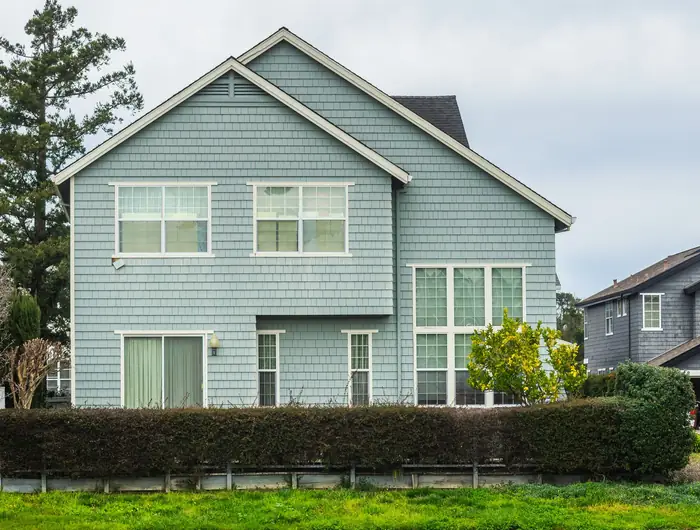 02, the document behind this findingStated
Spite fences
California · Civ. Code 841.4A fence, or a structure in the nature of a fence, that unnecessarily exceeds ten feet and is maliciously erected or maintained to annoy an owner or occupant of adjoining property is a.
Any fence or other structure in the nature of a fence unnecessarily exceeding 10 feet in height maliciously erected or maintained for the purpose of annoying the owner or occupant of adjoining property is a private nuisance.
10 ftspite fence threshold, with malice required- Statute
- 1 document
- Read 13 September 2026
 03, the document behind this findingStated
Pool barriers
California · Health & Saf. Code 115923An enclosure used as a drowning prevention safety feature is at least sixty inches high, leaves no more than two inches between the ground and its bottom, and has no gaps that would pass a.
A minimum height of 60 inches. A maximum vertical clearance from the ground to the bottom of the enclosure of two inches. Gaps or voids, if any, do not allow passage of a sphere equal to or greater than four inches in diameter. An outside surface free of protrusions, cavities, or other physical characteristics that would serve as handholds or footholds that could enable a child below the age of five years to climb over.
60 inminimum height of a pool enclosure- Statute
- 1 document
- Read 13 September 2026
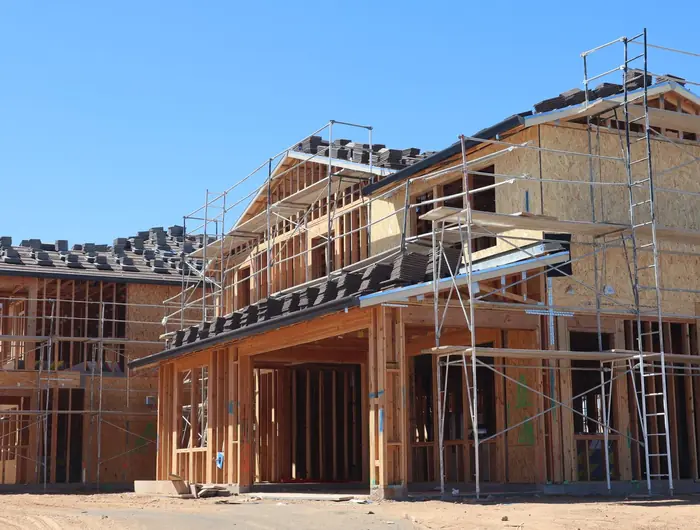 04, the document behind this findingStated
Permits
California · CBC 105.2The statewide building code exempts a fence not over seven feet from a building permit.
Fences not over 7 feet (2134 mm) high.
7 ftstatewide building permit exemption- Building code
- 1 document
- Read 13 September 2026
Ten topics
The ten questions a fence rule usually turns on. Findings are published for 5 of them so far.
- Fence height1 finding
- How height is measuredNone yet
- Permits1 finding
- Corner visibilityNone yet
- Retaining wallsNone yet
- MaterialsNone yet
- Fences on the property line2 findings
- Pool barriers1 finding
- Spite fences1 finding
- Agricultural fencingNone yet
Documents checked
Every document behind the findings above, with the date each one was read. A jurisdiction page carries its own list.
What this is, and what it is not
This is a record of what published government documents say about fences. It is general information and it is not legal advice. Ordinances are amended, statutes are renumbered, and a page here reports the text as it read on the date printed beside it.
What applies to one particular parcel is narrower than what applies to a state. Six things change the answer, and none of them appear in the fence chapter.
- Zoning district
- Lot shape, and which edge counts as the front
- Easements crossing the parcel
- Overlay districts
- Recorded HOA covenants
- Fire hazard severity zone